Saturday, July 25, 2009

Yet Another Test


Testing 123 .....

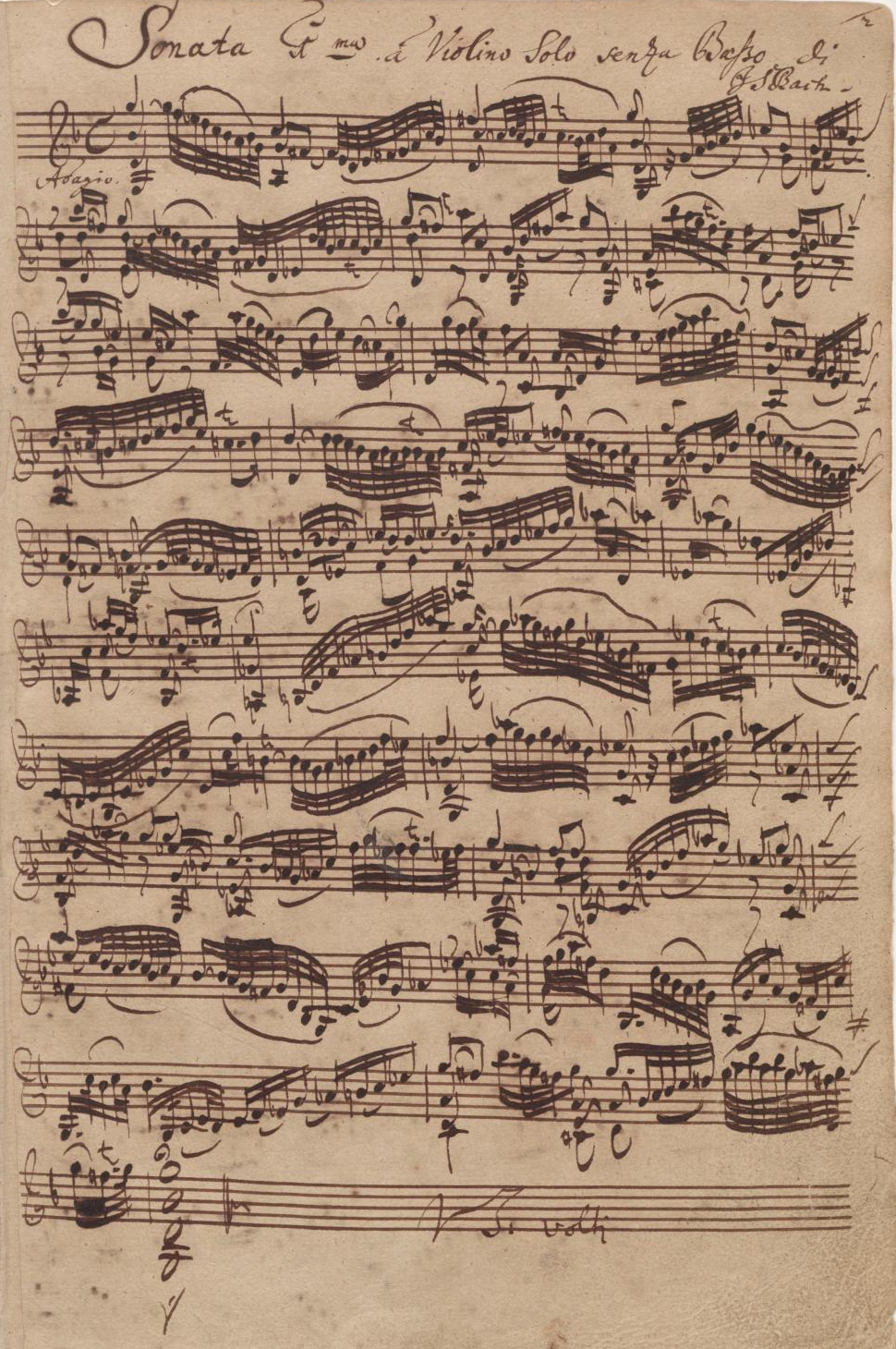
While Bach's abilities as an organist were recognized and highly respected throughout Europe during his lifetime, he was not particularly well-known as a composer. His adherence to Baroque forms and contrapuntal style was considered "old-fashioned" by his contemporaries, especially late in his career when the musical fashion tended towards Rococo and later Classical styles. A revival of interest and performances of his music began early in the 19th century, and he is now widely considered to be one of the greatest composers in the Western tradition.

And another test!


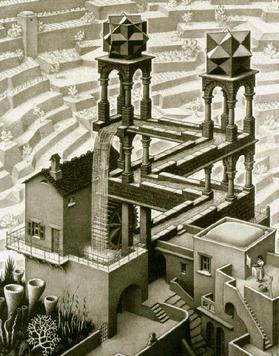
Although Escher did not have mathematical training—his understanding of mathematics was largely visual and intuitive—Escher's work had a strong mathematical component, and more than a few of the worlds which he drew are built around impossible objects such as the Necker cube and the Penrose triangle. Many of Escher's works employed repeated tilings called tessellations. Escher's artwork is especially well-liked by mathematicians and scientists, who enjoy his use of polyhedra and geometric distortions. For example, in Gravity, multi-colored turtles poke their heads out of a stellated dodecahedron.

This is another test

I'm just testing this out again.

Although he spoke very little Czech himself, Gödel automatically became a Czechoslovak citizen at age 12 when the Austro-Hungarian empire broke up at the end of World War I. He later told his biographer John W. Dawson that he felt like an "exiled Austrian in Czechoslovakia" ("ein Österreicher im Exil in der Tschechoslowakei") during this time. He chose to become an Austrian citizen at age 23. When Nazi Germany annexed Austria, Gödel automatically became a German citizen at age 32. After World War II, at the age of 42, he became an American citizen.